Top 10 Water Treatment Plant Manufacturers in Pune | Shree Water Tech
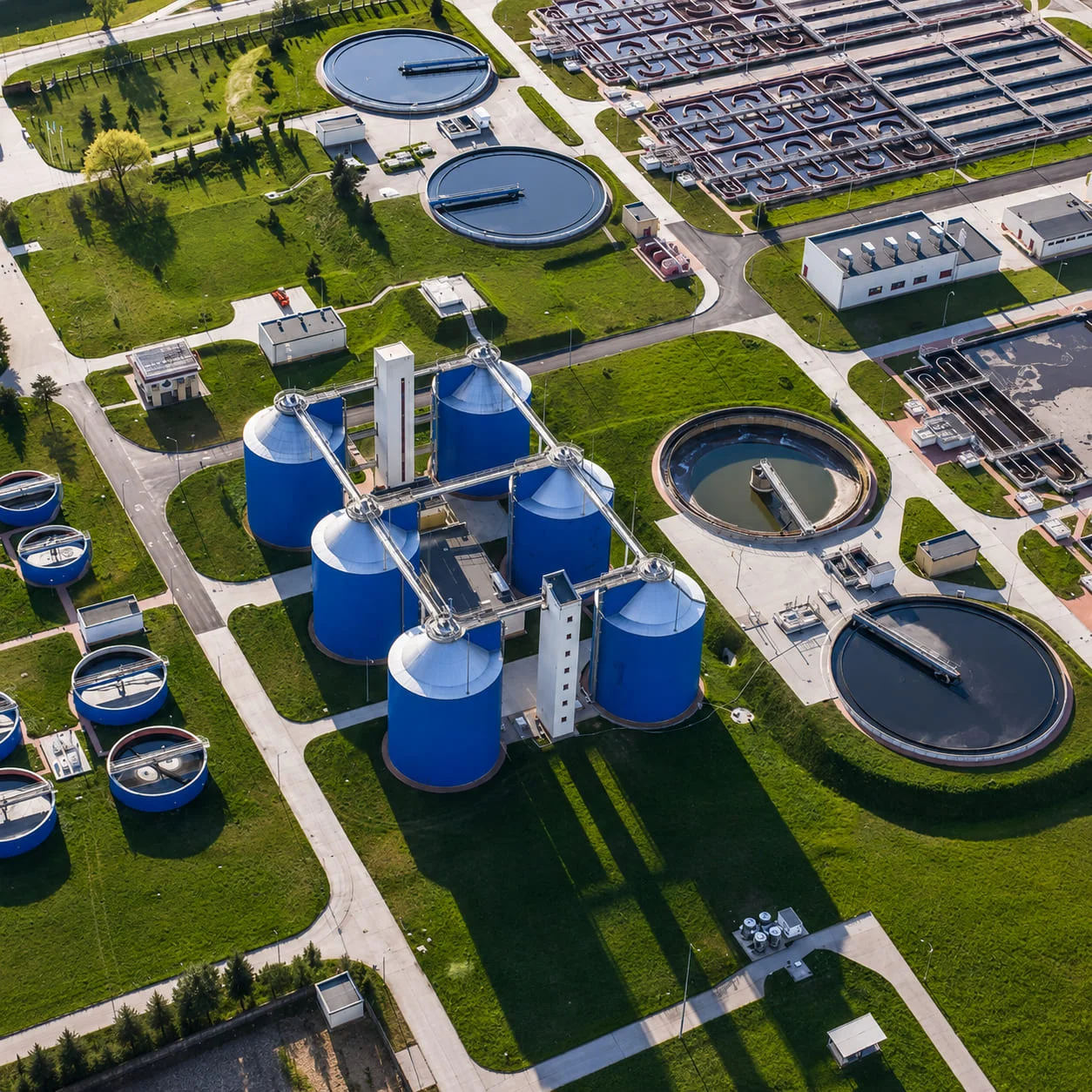


SHREE WATER TECH is leading Water Treatment Plant Manufacturers, Suppliers and Exporters in Pune. A Water Treatment Plant (WTP) is an engineered system designed to improve the quality of raw water by removing unwanted physical, chemical, and biological contaminants. Water may come from sources such as rivers, lakes, reservoirs, bore wells, or municipal supplies and can contain suspended particles, dissolved minerals, organic matter, microorganisms, hardness, and other impurities.
Modern water treatment systems are designed according to the quality of incoming water and the intended use of treated water. Depending on the application, treatment may involve filtration, clarification, chemical conditioning, membrane separation, and disinfection.
Water Treatment Plants are used in homes, schools, hospitals, commercial buildings, manufacturing facilities, pharmaceutical plants, petroleum facilities, and other industries requiring controlled water quality.
What is a Water Treatment Plant?
A Water Treatment Plant is a combination of treatment units used to convert raw or contaminated water into water suitable for a specific application.
The treatment process can involve physical, chemical, and biological processes. Physical treatment removes particles and suspended matter, chemical treatment addresses parameters such as hardness or specific dissolved contaminants, while biological processes may be incorporated for particular types of water contamination.
The final treatment configuration depends on the source-water analysis and the quality specifications required at the outlet.
A WTP is different from a Wastewater Treatment Plant (WWTP) or Sewage Treatment Plant (STP). A conventional WTP primarily treats raw water for supply or process use, whereas wastewater treatment systems are designed to treat contaminated water generated after domestic or industrial use.
Water Treatment Plant Process
The Water Treatment Plant Process varies according to water quality, but a conventional treatment sequence may include the following stages:
- 1. Screening: Screens remove larger materials such as leaves, plastic, sticks, and other debris from incoming water.
- 2. Coagulation: Chemical coagulants are added to destabilize fine particles that cannot easily settle on their own.
- 3. Flocculation: Gentle mixing encourages destabilized particles to combine and form larger flocs.
- 4. Sedimentation: The formed flocs settle under gravity, reducing the suspended-solids load before filtration.
- 5. Filtration: Filtration removes finer particles that remain after clarification. Pressure Sand Filters and Activated Carbon Filters are commonly used depending on the treatment objective.
- 6. Advanced Purification: Additional systems such as UF, RO, ion exchange, or water softening can be incorporated when dissolved contaminants, hardness, salinity, or specific impurities need further reduction.
- 7. Disinfection: UV, ozone, or chlorination may be used to control microorganisms and provide the required microbiological quality.
- 8. Treated Water Storage: The finished water is collected in a dedicated storage tank before distribution or further treatment.
Types of Water Treatment Plants
As experienced Water Treatment Plant Manufacturers in Pune, we offer different water treatment solutions based on raw water quality, treatment requirements, end-use applications, and operating conditions. The major types include:
- Water Treatment Plant (WTP): A Water Treatment Plant is designed to treat raw water and improve its quality for domestic, commercial, or industrial applications. Depending on the source and required water quality, treatment may include filtration, clarification, softening, membrane treatment, and disinfection.
- Reverse Osmosis Plant (RO Plant): A Reverse Osmosis Plant uses a semi-permeable membrane to reduce dissolved salts, minerals, and other impurities from water. RO systems are commonly used where low-TDS or high-purity water is required for industrial and process applications.
- Ultrafiltration Plant (UF Plant): An Ultrafiltration Plant uses membrane filtration to remove suspended solids, colloids, bacteria, and other larger contaminants. UF systems are often used as pretreatment for RO plants or as part of water reuse and filtration systems.
- Demineralization Plant (DM Plant): A Demineralization Plant removes dissolved ionic impurities from water to produce low-conductivity water. DM systems are suitable for industries requiring treated water for boilers, manufacturing processes, laboratories, and other applications where mineral content must be controlled.
- Water Softening Plant: A Water Softening Plant reduces hardness caused mainly by calcium and magnesium ions. It helps control scale formation in pipelines, boilers, heat exchangers, and other water-handling equipment.
- Pressure Sand Filter (PSF) Plant: A Pressure Sand Filter is a filtration system used to reduce suspended solids, turbidity, and physical impurities from water. It is commonly installed as a primary filtration or pretreatment stage in larger water treatment systems.
- Activated Carbon Filter (ACF) Plant: An Activated Carbon Filter uses specially processed carbon media to reduce chlorine, color, odor, and various organic contaminants. ACF systems are frequently used along with sand filtration and membrane-based treatment processes.
- Iron Removal Plant: An Iron Removal Plant is designed to reduce excess iron present in groundwater or other water sources. The treatment generally involves oxidation followed by filtration to produce clearer water and minimize staining, deposits, and operational problems.
- Manganese Removal Plant: A Manganese Removal Plant treats water containing elevated manganese levels. Specialized oxidation and filtration processes are used to reduce manganese and improve the quality of treated water for industrial and other applications.
- Containerized Water Treatment Plant: A Containerized Water Treatment Plant is a compact, pre-engineered water treatment system installed inside a standard container. It provides a practical solution where quick installation, mobility, space efficiency, or deployment at remote locations is required.
- Packaged Water Treatment Plant: A Packaged Water Treatment Plant combines selected treatment processes into a compact, factory-assembled system. Depending on the water quality, the package may include clarification, filtration, softening, membrane treatment, and disinfection units.
- Tertiary Water Treatment Plant: A Tertiary Water Treatment Plant provides advanced treatment after conventional treatment stages to further improve water quality. It can be used for water recycling, reuse, and applications requiring enhanced removal of remaining contaminants. For wastewater applications, related wastewater treatment systems can be incorporated according to the required water quality and reuse objectives.
Major Components of a Water Treatment Plant
A typical plant can contain:
- Raw water storage tank
- Feed water pumps
- Screening system
- Chemical dosing system
- Flash mixer
- Flocculator
- Clarifier
- Pressure Sand Filter
- Activated Carbon Filter
- Water softener
- Micron filtration
- Ultrafiltration system
- Reverse Osmosis system
- UV or ozone disinfection
- Treated water storage tank
- Electrical control panel
- PLC and instrumentation
- Piping, valves, and flow-control equipment
The exact equipment arrangement is selected according to the treatment objective and water analysis.
Technical Specifications of Water Treatment Plant
As experienced Water Treatment Plant Manufacturers in Pune, we design and manufacture different water treatment systems based on raw-water characteristics, required treatment quality, plant capacity, operating conditions, and end-use requirements.
| Type of Water Treatment Plant | Treatment Principle / Process | Typical Capacity | Key Treatment Components | Typical Operating Parameters | Major Contaminants / Purpose | Typical Construction / Materials | Automation & Instrumentation | Typical Applications |
|---|---|---|---|---|---|---|---|---|
| Water Treatment Plant (WTP) | Coagulation → Flocculation → Clarification → Filtration → Disinfection | 10–10,000+ KLD | Flash mixer, flocculator, clarifier, PSF, ACF, softener, UF/RO, disinfection | Filtration: 5–15 m³/m²/hr; pressure filtration: 2–5 bar | Turbidity, suspended solids, color, organics, microorganisms | MS / FRP / SS / HDPE / RCC | PLC/HMI/SCADA; flow, pressure, pH, turbidity and level monitoring | Domestic, commercial, industrial and utility water |
| Reverse Osmosis Plant (RO Plant) | Pressure-driven membrane separation | 250–1,000,000+ LPH | Micron filter, high-pressure pump, RO membranes, membrane housings, dosing system | Feed pressure typically 10–20 bar for BWRO; recovery approx. 40–85%; salt rejection up to 95–99%+ | Dissolved salts, TDS, hardness, ions and other dissolved contaminants | FRP/SS membrane housings; MS/SS skid; UPVC/CPVC/SS piping | PLC/HMI; pressure, flow, conductivity/TDS, level; auto-flush and protection | Process water, low-TDS water, boiler feed and industrial applications |
| Ultrafiltration Plant (UF Plant) | Pressure-driven membrane filtration | 1,000–1,000,000+ LPH | UF membrane modules, feed pump, backwash system, CIP system | Typical pore size: 0.01–0.1 µm; operating pressure approx. 0.5–3 bar; recovery up to 90–98% | Suspended solids, colloids, bacteria and macromolecules | FRP / SS / UPVC membrane assemblies | Automatic backwash/CIP; pressure, flow, turbidity and differential-pressure monitoring | RO pretreatment, tertiary treatment and water reuse |
| Demineralization Plant (DM Plant) | Ion exchange using cation and anion resins | 500–500,000+ LPH | Cation exchanger, degasser, anion exchanger, mixed-bed polisher | Operating pressure approx. 2–6 bar; conductivity designed according to end-use requirement | Dissolved ionic minerals, cations, anions and salts | FRP / MS rubber-lined / SS vessels | Conductivity monitoring; automatic/manual regeneration; flow and pressure monitoring | Boilers, laboratories, pharmaceutical, chemical and process industries |
| Water Softening Plant | Cation exchange and sodium-cycle regeneration | 500–500,000+ LPH | Softener vessel, SAC resin, brine tank, control valve | Operating pressure approx. 2–6 bar; regeneration using NaCl brine | Calcium and magnesium hardness; scale-forming minerals | FRP / MS / SS vessel; HDPE/FRP brine tank | Automatic/manual regeneration; flow, pressure and hardness monitoring | Boilers, cooling towers, RO pretreatment and heat exchangers |
| Pressure Sand Filter (PSF) Plant | Depth filtration through graded media | 1–500+ m³/hr | Filter vessel, silica sand, support gravel, under-drain/nozzle system | Filtration rate approx. 5–15 m³/m²/hr; operating pressure approx. 2–5 bar | Suspended solids, turbidity and physical impurities | FRP / MS / SS vessel | Pressure gauges, flow meter, differential-pressure monitoring; automatic/manual backwash | Primary filtration, WTP and RO pretreatment |
| Activated Carbon Filter (ACF) Plant | Adsorption through granular activated carbon | 1–500+ m³/hr | Carbon vessel, GAC media, support gravel, under-drain system | EBCT typically 5–20 min; operating pressure approx. 2–5 bar | Chlorine, color, odor and selected organic contaminants | FRP / MS / SS vessel | Flow and pressure monitoring; automatic/manual backwash | RO pretreatment, dechlorination, odor and color removal |
| Iron Removal Plant | Oxidation → Precipitation → Filtration | 1–500+ m³/hr | Aeration/oxidation system, chemical dosing, catalytic filter, backwash system | Operating pressure approx. 2–5 bar; pH and oxidation conditions customized to raw water | Dissolved and particulate iron | FRP / MS / SS pressure vessel | pH, flow, pressure and chemical dosing controls; automatic backwash | Borewell and groundwater treatment, industrial water |
| Manganese Removal Plant | Oxidation → Catalytic Filtration → Backwashing | 1–500+ m³/hr | Oxidation system, manganese-removal media, pressure filter, dosing system | Operating pressure approx. 2–5 bar; pH and oxidation conditions feed-dependent | Dissolved manganese and associated deposits | FRP / MS / SS vessel | pH/ORP where required, flow and pressure monitoring; automatic backwash | Groundwater, industrial and utility water treatment |
| Containerized Water Treatment Plant | Integrated treatment process selected according to feed-water quality | 10–1,000+ KLD | WTP / UF / RO / softener / filtration / disinfection modules | Containerized skid; process pressure and recovery based on selected technology | Customized according to treatment configuration | 20/40-ft container; MS/SS skid; UPVC/HDPE/SS piping | PLC/HMI/SCADA; flow, pressure, level, pH, conductivity and turbidity monitoring | Remote locations, temporary facilities, space-constrained and rapid-deployment projects |
| Packaged Water Treatment Plant | Factory-integrated multi-stage treatment | 10–5,000+ KLD | Clarifier, PSF, ACF, softener, UF/RO and disinfection as required | Process-specific; filtration approx. 5–15 m³/m²/hr; membrane pressure according to technology | Turbidity, suspended solids, hardness, dissolved contaminants and microorganisms | MS epoxy / SS / FRP / HDPE | PLC/HMI; automatic valves, pumps, dosing and online monitoring | Industrial, institutional, commercial and decentralized water treatment |
| Tertiary Water Treatment Plant | Advanced polishing after conventional/secondary treatment | 10–10,000+ KLD | PSF, ACF, UF, RO, UV/chlorination, ozone or MBR as required | UF pressure approx. 0.5–3 bar; RO recovery commonly 50–85%; final quality application-specific | Residual suspended solids, organics, microorganisms, TDS and dissolved contaminants | FRP / MS / SS / HDPE; skid-mounted or RCC integration | PLC/SCADA; pH, turbidity, conductivity, TDS, flow, pressure and ORP monitoring | Water recycling, cooling towers, flushing, gardening and industrial reuse |
Features and Benefits of Water Treatment Plant
As experienced Water Treatment Plant Exporters in Pune, we provide engineered water treatment systems designed for reliable purification, efficient operation, process control, and long-term performance across domestic, commercial, and industrial applications.
| Category | Feature | Benefit |
|---|---|---|
| Multi-Stage Treatment | Integrated filtration, clarification and purification stages | Provides progressive removal of suspended and dissolved impurities |
| Membrane Technology | RO, UF and other membrane-based treatment options | Supports controlled removal of TDS, salts, colloids and fine contaminants |
| Media Filtration | Pressure Sand Filter and Activated Carbon Filter systems | Helps reduce turbidity, suspended particles, chlorine, color and odor |
| Water Softening | Ion-exchange softening with resin-based treatment | Reduces hardness and helps minimize scale formation in water-handling equipment |
| Demineralization | Cation, anion and optional mixed-bed ion exchange | Produces low-conductivity water for applications requiring reduced mineral content |
| Contaminant Removal | Specialized iron and manganese removal configurations | Helps control dissolved metals, staining, deposits and related water-quality issues |
| Disinfection | UV, chlorination, ozone or application-specific disinfection | Provides an additional barrier for microbiological control |
| Process Automation | PLC, HMI and SCADA-based control systems | Improves operational consistency and simplifies monitoring of treatment cycles |
| Online Monitoring | Flow, pressure, pH, turbidity, conductivity, TDS and level instrumentation | Enables real-time observation of important process parameters |
| Customized Engineering | Capacity, process configuration and equipment selected according to water analysis | Matches treatment performance with raw-water characteristics and end-use requirements |
| Modular Configuration | Packaged, skid-mounted and containerized treatment options | Supports space-efficient installation and faster site integration |
| Material Selection | FRP, MS, SS, HDPE and other application-specific materials | Allows equipment construction to be selected according to water chemistry and operating conditions |
| Maintenance Access | Accessible filters, membranes, valves, pumps and service components | Facilitates routine inspection, cleaning, replacement and servicing |
| Energy Management | Optimized pumps, treatment stages and operating sequences | Helps manage power consumption and operating requirements |
| Water Recovery | Process-specific recovery optimization in membrane systems | Helps improve usable water output while managing reject generation |
| Long-Term Operation | Robust equipment selection and application-specific system design | Supports dependable treatment performance and serviceability over the operating life |
Applications of Water Treatment Plant
As Water Treatment Plant Manufacturers in Pune, our all types are used in various types of industrial sectors such as:
- Residential Buildings & Homes: For treating groundwater, municipal water, and other sources for domestic use.
- Schools & Educational Institutions: To provide safe and hygienic water for students and staff.
- Hospitals & Healthcare Facilities: For producing high-quality water required for drinking, sanitation, medical processes, and other applications.
- Hotels & Hospitality Facilities: To ensure a reliable supply of treated water for guest rooms, kitchens, laundry, and general operations.
- Offices & Commercial Buildings: For drinking water, sanitation, and day-to-day facility requirements.
- Residential Complexes & Housing Societies: For treating water supplied to apartments and common facilities.
- Manufacturing Industries: For process water, utility water, cleaning, and other industrial operations.
- Petroleum & Oil Industries: For process-water treatment, utility applications, cooling systems, and other specialized requirements.
- Pharmaceutical Industries: For producing purified and process water that meets stringent quality requirements.
- Food & Beverage Processing Units: For water used in food processing, cleaning, production, and other operations.
- Power Plants: For boiler feedwater, cooling-water systems, and other utility requirements.
- Commercial Water Facilities: For large-scale water treatment and supply applications.
Water Treatment Plant Capacity
Water treatment capacity is commonly expressed in LPH (Litres per Hour) or LPD (Litres per Day).
For smaller and compact systems, common capacities include:
| Capacity | Equivalent Flow |
|---|---|
| 100 LPH | 100 litres/hour |
| 500 LPH | 500 litres/hour |
| 1,000 LPH | 1,000 litres/hour |
| 2,000 LPH | 2,000 litres/hour |
| 5,000 LPH | 5,000 litres/hour |
For example, a 5,000 LPH Water Treatment Plant can process approximately 5,000 litres of water per hour under its design operating conditions. Actual production depends on recovery, operating hours, feed-water quality, filtration losses, membrane performance, and system configuration.
Capacity selection should be based on actual consumption, peak demand, operating schedule, raw-water availability, and required treated-water output.
Factors to Consider When Selecting a Water Treatment Plant
Before selecting a WTP, conduct a detailed analysis of the raw-water source. Important parameters can include TDS, hardness, turbidity, pH, iron, manganese, fluoride, chloride, alkalinity, microbial contamination, and other site-specific contaminants.
Other considerations include required water quality, daily consumption, peak demand, available space, power availability, automation requirements, maintenance resources, consumable requirements, and future expansion.
A laboratory water analysis is recommended before finalizing the treatment configuration.
Water Treatment Plant Cost
The cost of a Water Treatment Plant depends on the treatment technology, raw-water quality, capacity, construction material, automation level, purification requirements, and installation scope.
Major cost components include treatment vessels, pumps, filters, chemical dosing systems, membranes, electrical controls, instrumentation, piping, valves, tanks, installation, and commissioning.
Operating expenses should also be considered. Electricity, chemicals, filter media, membrane replacement, maintenance, cleaning, and consumables can affect the long-term cost of ownership.
Water Treatment Plant Installation & Maintenance
Installation normally begins with site assessment and equipment positioning. The system is then connected through process piping, electrical wiring, pumps, valves, instrumentation, and control panels.
After installation, the plant undergoes testing and commissioning to verify equipment operation and process performance.
Routine maintenance may include filter backwashing, media inspection, membrane cleaning, pump servicing, checking pressure levels, inspecting valves, calibrating instruments, and monitoring treated-water quality.
Regular preventive maintenance helps maintain consistent output and reduces the risk of unexpected equipment failure.
Why Choose Our Water Treatment Plant?
- Customized Water Treatment Solutions: We provide water treatment solutions customized according to raw-water quality, required output quality, application, site conditions, operating requirements, and budget.
- Expert Process Selection: Our solutions are developed with proper consideration of water quality, treatment objectives, flow requirements, and process conditions.
- Accurate Plant Sizing: We select and size treatment equipment according to required capacity and specific project requirements.
- Suitable Treatment Technologies: We can recommend suitable technologies such as RO, UF, water softening, filtration, UV, activated carbon, and other treatment processes based on application requirements.
- Complete System Design: Our services include process design and system planning to develop an efficient and reliable water treatment plant.
SHREE WATER TECH is leading Water Treatment Plant Manufacturers, Suppliers and Exporters in Pune. A Water Treatment Plant provides a controlled approach to improving raw-water quality for residential, commercial, institutional, and industrial applications. The treatment configuration can range from basic filtration to advanced purification depending on the characteristics of the source water and the required final quality. Selecting the appropriate process requires accurate water analysis, correct system sizing, suitable equipment, and consideration of long-term operation and maintenance. A properly designed plant can provide a dependable source of treated water while supporting efficient resource management. Contact us today for a customized Water Treatment Plant solution, technical consultation, capacity assessment, and project quotation.
FAQ’s
A Water Treatment Plant is a system designed to treat raw water by removing physical, chemical, and biological contaminants to achieve the required water quality.
A conventional treatment sequence may include screening, coagulation, flocculation, sedimentation, filtration, advanced purification, and disinfection, followed by treated-water storage where applicable.
Depending on the application, WTPs may use screens, clarifiers, sand filters, activated carbon, softeners, UF membranes, RO membranes, chemical dosing systems, UV, ozone, and chlorination.
Five commonly recognized treatment processes are coagulation, flocculation, sedimentation, filtration, and disinfection. Additional processes may be required depending on the source-water quality.
A WTP primarily treats raw water to make it suitable for a specified use, while an STP treats sewage generated after domestic or similar use.