Top Sewage Treatment Plant Manufacturers in Goa | Shree Water Tech
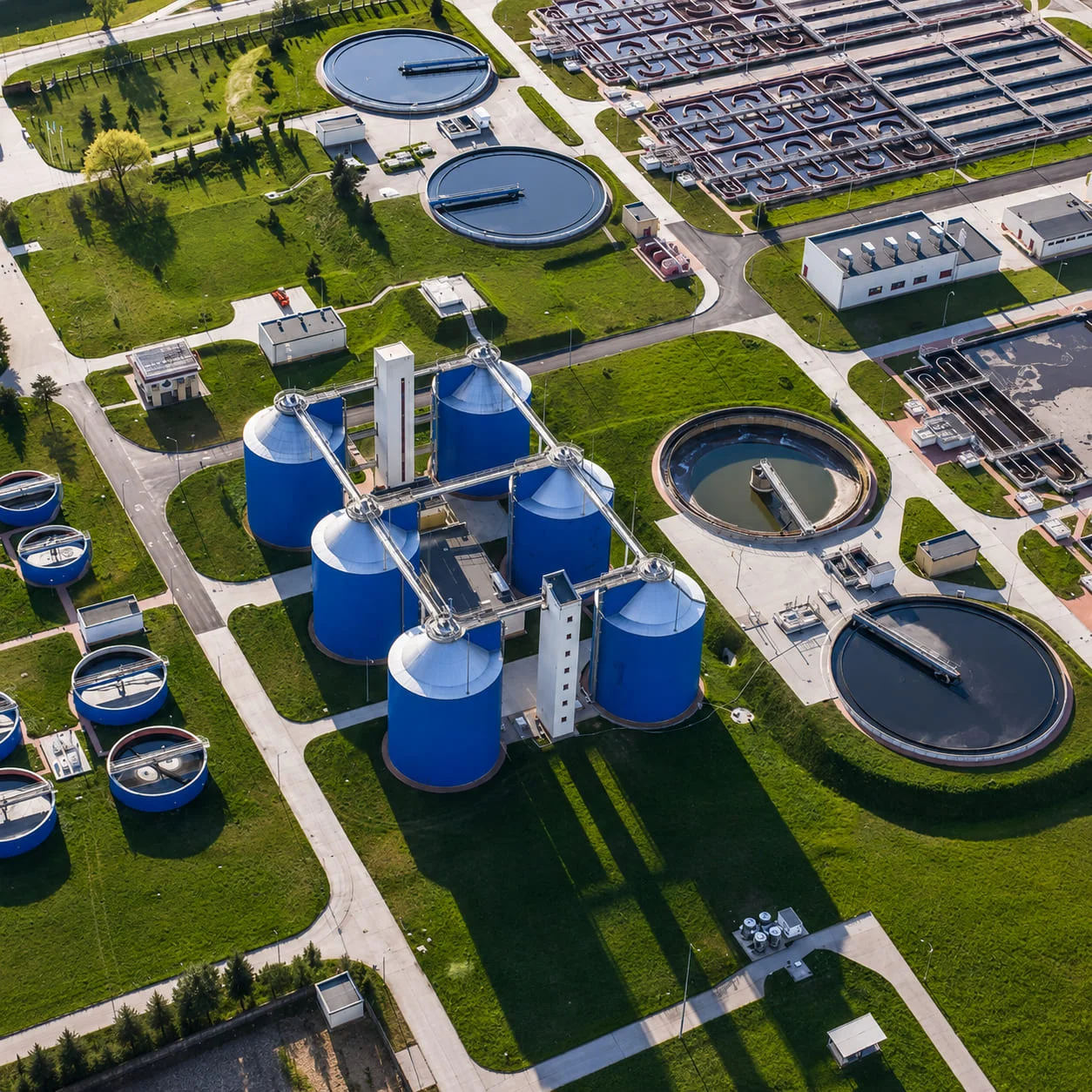


SHREE WATER TECH is leading Sewage Treatment Plant Manufacturers, Suppliers and Exporters in Goa. Effective wastewater management is essential for protecting water resources, maintaining hygiene, and reducing environmental pollution. A Sewage Treatment Plant (STP) provides a systematic solution for treating wastewater generated from residential, commercial, institutional, municipal, and selected industrial facilities.
The growing demand for water conservation has also increased the importance of wastewater recycling and reuse. A well-designed treatment system can convert contaminated sewage into treated water suitable for approved non-potable applications, while also providing controlled management of the solids generated during treatment.
Modern sewage treatment solutions can be configured according to the wastewater characteristics, site conditions, treatment objectives, and operational requirements of each project.
What is a Sewage Treatment Plant?
A Sewage Treatment Plant is an engineered facility that treats sewage by separating physical solids and reducing biodegradable pollutants, suspended matter, nutrients, and microorganisms.
Sewage can contain materials such as organic waste, suspended particles, detergents, oils, nutrients, bacteria, and other contaminants. If untreated wastewater is released directly into the environment, it can adversely affect surface water, groundwater, soil, and public hygiene.
An STP therefore provides controlled treatment before the wastewater is discharged or considered for reuse. The final treatment configuration depends on the quality of incoming sewage and the required quality of the treated water.
How Does a Sewage Treatment Plant Work?
A Sewage Treatment Plant (STP) works through a systematic sequence of treatment stages. Each stage is designed to remove a specific type of contaminant and prepare the wastewater for the next treatment step. The overall working process can be explained as follows:
- 1. Sewage Collection and Inlet: Wastewater generated from toilets, bathrooms, kitchens, commercial areas, and other sources is collected through a sewer network and directed to the STP inlet. The incoming sewage is first inspected for flow and basic characteristics before entering the treatment process.
- 2. Screening: The wastewater passes through coarse and fine screens that remove larger materials such as plastics, cloth, paper, sanitary waste, and other floating debris. This protects pumps, pipelines, blowers, and downstream treatment equipment from blockage or mechanical damage.
- 3. Grit and Solid Removal: After screening, heavier inorganic particles such as sand, grit, gravel, and small stones are separated. Removing these materials prevents abrasion and accumulation inside tanks and mechanical equipment.
- 4. Equalization and Flow Balancing: An equalization tank may be provided to balance variations in wastewater flow and pollutant concentration. It helps maintain a more consistent flow to the biological treatment section, particularly where sewage generation varies significantly throughout the day.
- 5. Biological Treatment: Depending on the selected STP technology, biological treatment may use MBBR, SBR, MBR, or Activated Sludge Process (ASP). Aeration equipment supplies oxygen when required to support aerobic microorganisms.
- 6. Solid-Liquid Separation: Following biological treatment, microorganisms and suspended solids must be separated from the treated water. Conventional systems generally use a clarifier for settling, while membrane-based systems use filtration membranes.
- 7. Tertiary Treatment: Additional treatment is provided when the required treated-water quality is higher than that achieved through secondary treatment alone. Depending on the application, this stage may include pressure sand filtration, activated carbon filtration, ultrafiltration, membrane treatment, or nutrient removal.
- 8. Disinfection: The filtered water undergoes disinfection to reduce microorganisms. Ultraviolet (UV) treatment or chlorination may be used depending on the plant design and intended reuse or discharge requirements.
- 9. Treated Water Collection and Reuse: After completing the required treatment stages, the treated water is collected in a treated-water tank. Subject to applicable quality requirements, it may be used for non-potable purposes such as toilet flushing, gardening, landscaping, or other approved applications, or discharged through the designated outlet.
- 10. Sludge Handling: Solids separated during the treatment process are collected for sludge management. Depending on the plant configuration, sludge may undergo thickening, stabilization, drying, or mechanical dewatering before appropriate disposal or further processing.
Types of Sewage Treatment Plants
As we are leading Sewage Treatment Plant Manufacturers in Goa, our Types are designed to meet different application requirements and industry standards, including the following types:
- MBBR Sewage Treatment Plant: Moving Bed Biofilm Reactor (MBBR) uses specially designed carrier media that provide a surface for microorganisms to grow. It is widely used for biological treatment and offers a compact and efficient treatment configuration.
- SBR Sewage Treatment Plant: Sequencing Batch Reactor (SBR) carries out treatment processes in a controlled sequence within the same reactor. The typical cycle includes filling, aeration, settling, decanting, and idle phases.
- MBR Sewage Treatment Plant: Membrane Bioreactor (MBR) combines biological treatment with membrane filtration. The membrane acts as a physical barrier for separating treated water from biological solids, making it suitable where higher-quality treated water is required.
- Activated Sludge Process (ASP) Plant: The Activated Sludge Process uses suspended microorganisms in an aerated tank to break down biodegradable organic matter. It is a conventional biological treatment method used for various sewage treatment applications.
- Package Sewage Treatment Plant: A Package Sewage Treatment Plant consists of pre-engineered treatment units supplied as a compact system. It can reduce on-site construction requirements and simplify installation.
Major Components of a Sewage Treatment Plant
An STP consists of multiple mechanical, electrical, and process components working together.
| Component | Primary Function |
|---|---|
| Bar Screen | Removes large floating solids |
| Grit Chamber | Separates heavy inorganic particles |
| Equalization Tank | Balances variations in wastewater flow and loading |
| Primary Settling Tank | Separates settle able solids |
| Biological Reactor | Supports microbial treatment |
| Air Blower | Supplies air for aerobic treatment |
| Fine-Bubble Diffuser | Transfers oxygen into wastewater |
| Clarifier | Separates biological solids |
| Filter Unit | Removes remaining fine particles |
| Disinfection Unit | Reduces microorganisms |
| Sludge Holding Tank | Stores generated sludge |
| Dewatering System | Reduces sludge moisture |
| Pumps | Transfers wastewater and sludge |
| Control Panel | Controls electrical equipment |
| Instrumentation | Monitors operating parameters |
Technical Specifications of Sewage Treatment Plant
As a trusted Sewage Treatment Plant Suppliers in Goa, we serve businesses across various industries that meet professional visual communication requirements.
| Parameter | Typical Specification | Range / Value | Unit | Technical Standard / Remarks |
|---|---|---|---|---|
| Treatment Capacity | Plant Capacity | 10–5000 | KLD | Based on sewage generation |
| Treatment Process | Biological Treatment | MBBR / SBR / MBR / ASP | — | Process selected as per requirement |
| Inlet BOD | Biochemical Oxygen Demand | 200–400 | mg/L | Depends on sewage characteristics |
| Outlet BOD | Treated Water BOD | ≤10–30 | mg/L | As per applicable discharge/reuse norms |
| Inlet COD | Chemical Oxygen Demand | 400–800 | mg/L | Depends on influent quality |
| Outlet COD | Treated Water COD | ≤50–100 | mg/L | Process dependent |
| TSS Removal | Suspended Solids Removal | 90–99 | % | Depends on treatment configuration |
| Hydraulic Retention Time | HRT | 6–24 | Hours | Process dependent |
| Aeration System | Air Supply | Fine Bubble Diffusers / Mechanical | — | Maintains required dissolved oxygen |
| Blower Capacity | Air Blower | Process dependent | m³/hr | Based on oxygen demand |
| Tank Material | Construction | RCC / FRP / MS / SS | — | Based on plant configuration |
| Filtration | Tertiary Treatment | Sand + Carbon / UF | — | For improved treated-water quality |
Features and Benefits of Sewage Treatment Plant
As Sewage Treatment Plant Exporters in Goa, our products provide several Features and Benefits including consistent quality, smooth finish, and long service life.
| Category | Feature | Benefit |
|---|---|---|
| Treatment Efficiency | Multi-stage wastewater treatment | Provides effective removal of different contaminants |
| Technology | MBBR, SBR, MBR, and ASP options | Allows selection of suitable technology for specific requirements |
| Design | Compact and modular construction | Optimizes available installation space |
| Operation | Continuous or batch operation | Provides flexibility according to plant configuration |
| Automation | PLC-based automatic controls | Simplifies operation and process monitoring |
| Energy Management | Efficient pumps and aeration equipment | Helps control energy consumption |
| Water Reuse | Treated-water recovery system | Supports suitable non-potable water reuse |
| Filtration | PSF, ACF, UF, or membrane options | Improves treated-water quality |
| Disinfection | UV or chlorination system | Helps reduce microorganisms in treated water |
| Sludge Management | Sludge collection and dewatering | Enables controlled handling of treatment solids |
| Construction | MS, SS, FRP, or RCC options | Allows material selection according to site conditions |
| Maintenance | Accessible equipment and service points | Makes routine servicing easier |
| Monitoring | Flow, pH, DO, level, and other instrumentation | Supports process control and performance monitoring |
Applications of Sewage Treatment Plant
As Sewage Treatment Plant Manufacturers in Goa, our all types are used in various types of industrial sectors such as:
- Residential Communities: Apartment complexes, housing societies, townships, and residential developments generate wastewater from bathrooms, kitchens, laundry, and other domestic activities.
- Hotels and Resorts: Guest rooms, restaurants, kitchens, laundry facilities, and recreational areas can generate significant wastewater requiring centralized treatment.
- Hospitals: Healthcare facilities require carefully planned wastewater treatment systems based on their wastewater sources and applicable requirements.
- Educational Institutions: Schools, colleges, universities, hostels, and campuses can use decentralized or centralized treatment facilities.
- Municipalities: Municipal wastewater projects can use large-scale treatment infrastructure to serve communities and urban areas.
- Industrial Facilities: Industrial premises may require an STP for domestic sewage generated by employees and supporting facilities. Industrial process wastewater may require a separate Effluent Treatment Plant (ETP) or another specialized treatment system.
- Indian Railways: Railway stations, residential colonies, workshops, and associated facilities can use specialized wastewater treatment solutions according to site requirements.
- Sugar Industry: Sugar manufacturing facilities may require sewage treatment for domestic wastewater generated within their premises, while process effluent generally requires separate evaluation.
- Ships and Off-Grid Locations: Marine facilities and remote locations may require compact systems where connection to centralized sewer infrastructure is not practical.
Sewage Treatment Plant Capacity
STP capacity is normally expressed in KLD (Kilolitres per Day).
1 KLD = 1,000 litres/day = 1 cubic metre/day
The required capacity should be calculated from actual sewage generation rather than selected solely on the basis of building size or available space.
Common Capacity Examples
| Capacity | Daily Volume | Approximate Hourly Average |
|---|---|---|
| 25 KLD | 25,000 L/day | 1,042 L/hour |
| 50 KLD | 50,000 L/day | 2,083 L/hour |
| 100 KLD | 100,000 L/day | 4,167 L/hour |
| 250 KLD | 250,000 L/day | 10,417 L/hour |
| 500 KLD | 500,000 L/day | 20,833 L/hour |
| 700 KLD | 700,000 L/day | 29,167 L/hour |
| 1,000 KLD | 1,000,000 L/day | 41,667 L/hour |
For example, a 100 KLD system represents a nominal daily treatment volume of 100,000 litres under its design conditions.
Capacity calculation should consider average flow, peak flow, occupancy, water consumption, sewage-generation rate, seasonal variations, and possible future expansion.
Factors to Consider When Selecting an STP
Choosing an appropriate treatment system requires more than comparing equipment prices. Important considerations include:
- Wastewater Quality: Influent parameters such as BOD, COD, TSS, pH, nitrogen, phosphorus, oil, and grease help determine the appropriate process design.
- Available Space: The physical footprint of tanks, equipment, access areas, electrical systems, and maintenance zones should be evaluated before selecting the technology.
- Treated-Water Requirement: The intended use of treated water determines whether conventional secondary treatment is sufficient or additional filtration and disinfection are necessary.
- Energy Consumption: Blowers, pumps, mixers, membranes, and other electrically operated equipment contribute to operating costs.
- Sludge Management: The quantity, characteristics, dewatering method, storage requirements, and disposal route for sludge should be considered from the beginning.
- Automation: Facilities with limited operator availability may benefit from automated controls, alarms, sensors, and PLC-based monitoring.
- Lifecycle Cost: The decision should consider not only the initial purchase price but also energy, chemicals, consumables, spare parts, manpower, maintenance, and equipment replacement.
Sewage Treatment Plant Cost
The Sewage Treatment Plant cost varies according to the design and scope of each project. A meaningful quotation should be prepared after understanding the treatment requirements rather than relying on a fixed market price.
Major cost elements include:
- Process tanks
- Mechanical equipment
- Pumps and blowers
- Biological media
- Filtration equipment
- Membrane systems, where applicable
- Disinfection equipment
- Electrical and automation systems
- Piping and valves
- Civil construction
- Installation
- Testing and commissioning
Operating expenses should also be evaluated because electricity, chemicals, maintenance, sludge handling, replacement parts, and manpower can significantly influence the total lifecycle cost.
Sewage Treatment Plant Installation & Maintenance
Installation begins with site assessment and preparation. Equipment is then positioned and interconnected through process piping, electrical connections, control systems, and supporting infrastructure.
The commissioning stage includes equipment testing, trial operation, process adjustment, and operator training.
Regular maintenance is necessary to maintain stable performance. Typical activities include:
- Checking pumps and blowers
- Cleaning screens
- Inspecting diffusers
- Monitoring aeration
- Backwashing filters
- Checking membrane performance, where applicable
- Removing accumulated sludge
- Inspecting electrical panels
- Monitoring treated-water quality
A preventive maintenance program can reduce unplanned downtime and help identify equipment problems before they affect the treatment process.
Why Choose Our Sewage Treatment Plant?
A reliable STP solution requires appropriate process selection, correctly sized equipment, quality installation, and dependable technical support.
Our approach focuses on understanding the customer's wastewater source, treatment objective, site conditions, and operational expectations before recommending a system. We can provide customized solutions using suitable biological and advanced treatment technologies.
Our support can cover:
- Application assessment
- Process and technology selection
- Customized system design
- Equipment supply
- Installation assistance
- Testing and commissioning
- Operator guidance
- Preventive maintenance support
- Technical assistance after installation
SHREE WATER TECH is leading Sewage Treatment Plant Manufacturers, Suppliers and Exporters in Goa. Effective sewage management requires a treatment system that is technically appropriate for the wastewater being generated. A properly engineered STP combines physical separation, biological treatment, solid-liquid separation, and additional polishing or disinfection where necessary. The right solution depends on factors such as wastewater quality, flow characteristics, available space, treated-water requirements, energy consumption, sludge management, and long-term operating costs. Contact our team to discuss your wastewater treatment requirement and receive a customized STP solution based on your application, site conditions, and treatment objectives.
FAQ’s
An STP is primarily designed for sewage and domestic wastewater, while an ETP (Effluent Treatment Plant) is generally designed to treat industrial process effluent. Industrial wastewater characteristics determine which treatment system is appropriate.
BOD, or Biochemical Oxygen Demand, indicates the amount of dissolved oxygen microorganisms require to biologically break down biodegradable organic matter in wastewater. It is an important parameter for evaluating biological treatment requirements.
COD, or Chemical Oxygen Demand, represents the oxygen equivalent required to chemically oxidize organic and certain inorganic substances in wastewater. COD is commonly used alongside BOD to characterize wastewater.
Sludge can be collected and subjected to processes such as thickening, stabilization, drying, or mechanical dewatering. Its final handling depends on its characteristics and applicable disposal or reuse requirements.
Yes. STPs can incorporate automatic controls using electrical panels, sensors, timers, alarms, and PLC-based systems. The degree of automation depends on the project and operating requirements.
Performance can be evaluated by monitoring parameters such as flow, pH, dissolved oxygen, suspended solids, BOD, COD, and other project-specific water-quality indicators.