Top Water Softening Plant Manufacturers in Goa | Shree Water Tech
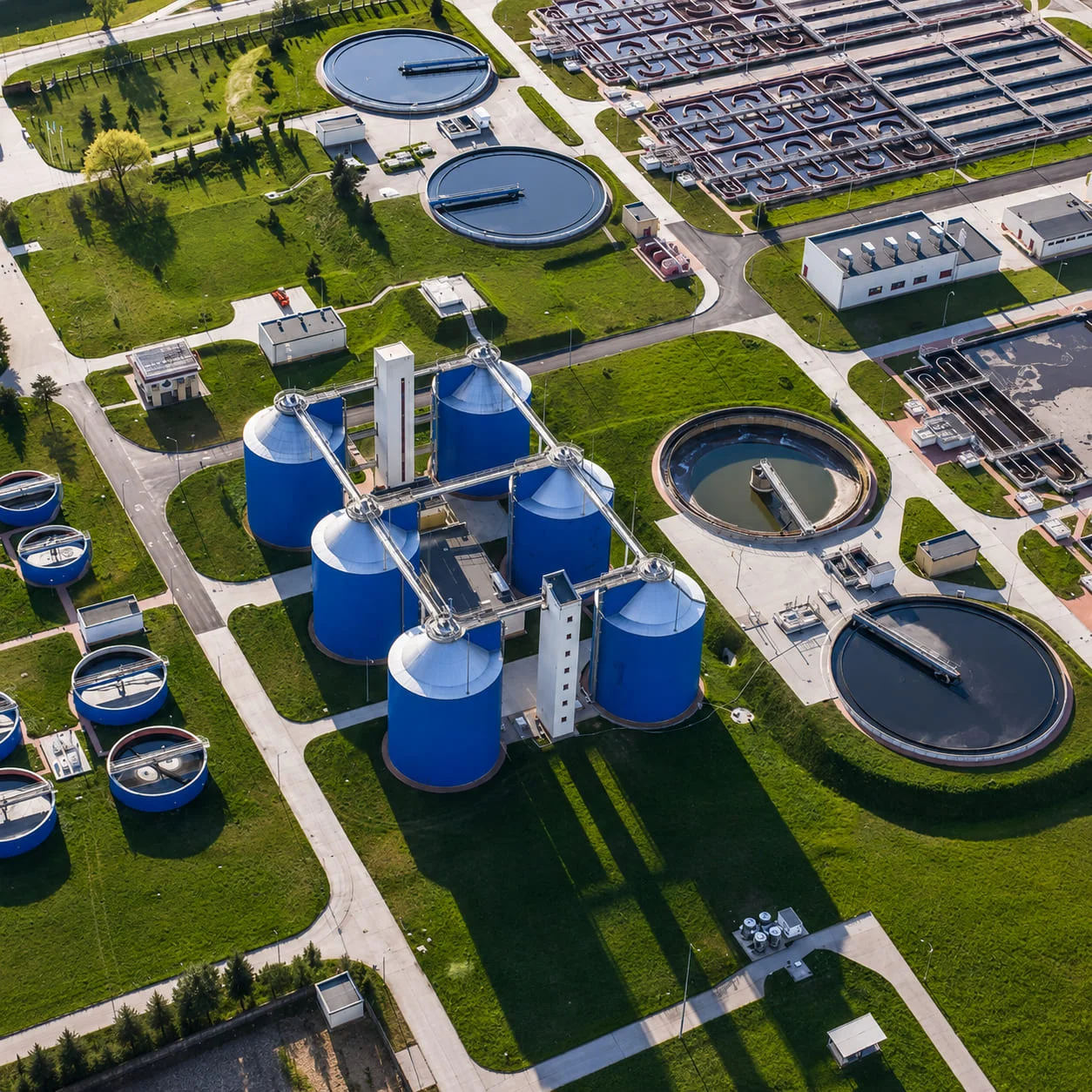


SHREE WATER TECH is leading Water Softening Plant Manufacturers, Suppliers and Exporters in Goa. Hard water is a common challenge in residential, commercial, and industrial water systems. It contains elevated concentrations of minerals, primarily calcium and magnesium, which can cause scale formation inside pipes, boilers, heat exchangers, washing equipment, and other water-consuming systems.
A Water Softening Plant is designed to reduce hardness and improve the suitability of water for specific applications. Depending on the hardness level, flow requirement, and operating conditions, different softening technologies can be selected.
Water softening is particularly important for industries that use boilers, cooling systems, process equipment, laundry systems, and other applications where mineral deposits can affect efficiency and equipment performance.
What is a Water Softening Plant?
A Water Softening Plant is a water-treatment system that reduces hardness-causing minerals from water. Conventional water softeners generally use an ion-exchange process, in which calcium and magnesium ions are exchanged with sodium ions through a specially designed resin.
Hardness is commonly expressed as mg/L as CaCO₃. The appropriate softener design depends on the raw-water hardness, required treated-water flow, operating hours, regeneration frequency, and desired residual hardness.
Unlike filtration systems that primarily remove suspended particles, a softener is specifically designed to address hardness.
How Does a Water Softening Plant Work?
A conventional water softener operates by passing hard water through a vessel containing ion-exchange resin.
- Step 1: Raw Water Entry: Hard water enters the softener vessel through the inlet connection and is distributed across the resin bed.
- Step 2: Ion Exchange: The resin contains exchangeable sodium ions. As water passes through the bed, calcium and magnesium ions are captured by the resin while sodium ions are released into the treated water.
- Step 3: Soft Water Outlet: After passing through the resin bed, the treated water contains significantly reduced hardness and is directed toward the point of use or storage tank.
- Step 4: Resin Exhaustion: Over time, the resin becomes loaded with hardness ions. Its exchange capacity gradually decreases, making regeneration necessary.
- Step 5: Regeneration: A concentrated sodium chloride (NaCl) brine solution is passed through the resin. The regeneration process removes accumulated calcium and magnesium from the resin and restores its sodium form. After regeneration, the system undergoes rinsing before returning to normal service.
Types of Water Softening Plants
As we are leading Water Softening Plant Manufacturers in Goa, our Types are designed to meet different application requirements and industry standards, including the following types:
- Domestic Water Softening Plant: A Domestic Water Softener Plant is designed for houses and residential buildings where hard water affects plumbing fixtures, washing, bathing, and household appliances.
- Commercial Water Softening Plant: Commercial systems are designed for hotels, offices, restaurants, hospitals, laundries, and other facilities with higher water consumption than typical residential applications.
- Industrial Water Softening Plant: An Industrial Water Softening Plant is designed for manufacturing and process applications where hardness control is important. It can be integrated into boiler-feed pretreatment, cooling-water systems, process-water lines, and other industrial utilities.
- Automatic Water Softening Plant: Automatic systems use control valves and programmed regeneration cycles to reduce manual intervention. Depending on the configuration, regeneration can be initiated according to time, volume, or other operating parameters.
- Semi-Automatic Water Softening Plant: Semi-automatic systems provide controlled operation while requiring some manual intervention during regeneration or other operating activities.
- Soda Softening Plant: A Soda Softening Plant uses chemical precipitation to reduce hardness. Chemicals such as soda ash can react with hardness-producing compounds and convert them into precipitates that can subsequently be separated.
- Packaged Water Softening Plant: A packaged system combines the major softening components into a pre-engineered arrangement. It can simplify transportation, installation, and commissioning.
- FRP Automatic Water Softener Plant: An FRP Automatic Water Softener Plant uses a fibre-reinforced plastic vessel along with an automatic control valve and ion-exchange resin. FRP vessels are lightweight and corrosion-resistant, making them suitable for various water-treatment environments.
Major Components of a Water Softening Plant
A typical ion-exchange system can include:
- Raw water inlet
- Softener vessel
- Ion-exchange resin
- Distributor system
- Automatic or manual control valve
- Brine tank
- Salt storage arrangement
- Brine injector
- Multiport valve, where applicable
- Flow meter
- Pressure gauges
- Hardness monitoring arrangement
- Treated-water outlet
- Drain connection
- Piping and valves
The final component selection depends on the operating mode, water chemistry, automation level, and installation requirements.
Technical Specifications of Water Softening Plant
As a trusted Water Softening Plant Suppliers in Goa, we serve businesses across various industries that meet professional visual communication requirements.
| Category | Technical Parameter | Specification | Unit | Typical Value / Range |
|---|---|---|---|---|
| Capacity | Plant Capacity | 100–10,000 | LPH | 100 / 200 / 500 / 1,000 / 1,500 / 2,500 / 5,000 / 10,000 |
| Flow | Service Flow Rate | 0.1–10 | m³/hr | Based on selected model |
| Pressure | Operating Pressure | 2–6 | bar | 3–5 bar typical |
| Pressure | Maximum Design Pressure | 7–10 | bar | Depending on vessel |
| Technology | Treatment Process | Ion Exchange | — | SAC Resin |
| Resin | Resin Type | Strong Acid Cation | — | Sodium-cycle resin |
| Resin | Resin Quantity | 25–1,500 | Litres | Capacity dependent |
| Resin | Bed Depth | 500–1,200 | mm | Design dependent |
| Vessel | Vessel Diameter | 200–1,200 | mm | Model dependent |
| Vessel | Vessel Height | 900–2,500 | mm | Model dependent |
| Water Quality | Outlet Hardness | ≤5–10 | ppm as CaCO₃ | Properly designed system |
| Water Quality | TDS Reduction | Minimal | % | Softener is not a desalination system |
| Filtration | Pretreatment Filter | 5–20 | micron | Optional cartridge filtration |
| Flow Control | Flow Meter Range | 0.1–10 | m³/hr | Model dependent |
Features and Benefits of Water Softening Plant
As Water Softening Plant Exporters in Goa, our products provide several Features and Benefits including consistent quality, smooth finish, and long service life.
| Category | Feature | Benefit |
|---|---|---|
| Hardness Control | Ion-exchange resin | Reduces calcium and magnesium hardness |
| Regeneration | Salt-based regeneration | Restores resin exchange capacity |
| Automation | Automatic control valve | Reduces manual operating effort |
| Construction | FRP / MS / SS vessels | Provides material-selection flexibility |
| Operation | Programmable regeneration | Helps maintain consistent soft-water production |
| Equipment Protection | Hardness reduction | Helps control scale formation |
| Maintenance | Replaceable resin media | Simplifies long-term servicing |
| Design | Customized configuration | Matches different water-quality requirements |
| Monitoring | Flow and pressure controls | Supports operating supervision |
| Installation | Compact arrangement | Makes installation easier |
Applications of Water Softening Plant
As Water Softening Plant Manufacturers in Goa, our all types are used in various types of industrial sectors such as:
- Residential Buildings & Homes: To reduce hard water problems in bathrooms, kitchens, washing machines, and water-heating systems.
- Hotels & Hospitality Facilities: For improving water quality for guest rooms, laundry, kitchens, and hot-water systems.
- Hospitals & Healthcare Facilities: To protect plumbing, boilers, water heaters, and other water-based equipment from scale formation.
- Schools & Educational Institutions: For treating hard water used in sanitation, kitchens, and general utility applications.
- Commercial Buildings & Offices: To prevent scaling in plumbing systems, water heaters, and other utility equipment.
- Residential Complexes & Housing Societies: For centralized treatment of hard water supplied to multiple buildings or apartments.
- Boiler Feedwater Systems: To reduce hardness and minimize scale formation in boilers and associated equipment.
- Cooling Water Systems: To control hardness-related scaling in cooling towers, heat exchangers, and circulation systems.
- Manufacturing Industries: For process water, utility water, equipment protection, and other industrial applications.
- Pharmaceutical Industries: As part of water pretreatment systems where controlled water quality is required.
- Food & Beverage Industries: For process water, cleaning applications, boilers, and utility operations.
- Textile Industries: To reduce hardness-related issues in washing, dyeing, and other water-intensive processes.
- Chemical Industries: For industrial processes and utility systems requiring softened water.
- Laundry & Commercial Washing Facilities: To improve washing performance and reduce scale in washing equipment.
Water Softening Plant Capacity
Water softener capacity is commonly specified in LPH (Litres Per Hour). The required size depends on the water demand, hardness loading, operating hours, resin capacity, and desired regeneration interval.
Common capacities include:
| Capacity | Nominal Flow |
|---|---|
| 100 LPH | 100 litres/hour |
| 200 LPH | 200 litres/hour |
| 1,000 LPH | 1,000 litres/hour |
| 1,500 LPH | 1,500 litres/hour |
| 2,500 LPH | 2,500 litres/hour |
| 5,000 LPH | 5,000 litres/hour |
| 10,000 LPH | 10,000 litres/hour |
For example, a 5,000 LPH water softener has a nominal flow capacity of approximately 5,000 litres per hour under specified operating conditions.
However, flow rate alone does not determine softener size. Raw-water hardness and the total hardness load are critical because they determine how quickly the resin becomes exhausted and how frequently regeneration is required.
Factors to Consider When Selecting a Water Softener
Selecting the correct system requires evaluation of several water and operating parameters.
- Raw-Water Hardness: Hardness analysis determines the amount of calcium and magnesium that needs to be removed.
- Flow Requirement: Average and peak water demand should be considered to ensure the selected system can provide adequate softened water.
- Operating Hours: The number of operating hours influences the daily hardness load and regeneration requirement.
- Resin Capacity: The working capacity of the resin determines the amount of hardness that can be removed between regeneration cycles.
- Regeneration Frequency: Frequent regeneration increases water and salt consumption, while insufficient regeneration can affect treated-water quality.
- Water Chemistry: Parameters such as iron, manganese, TDS, alkalinity, pH, and suspended solids should be checked because they can influence resin performance.
- Automation: Automatic systems are useful where consistent operation and reduced manual intervention are desired.
- Installation Space: The vessel, brine tank, piping, drain connection, and service access should fit within the available area.
Water Softening Plant Cost
The cost of a Water Softening Plant depends on several factors rather than capacity alone.
Major cost components include:
- Softener vessel
- Ion-exchange resin
- Control valve
- Brine tank
- Piping and valves
- Flow-control equipment
- Automation
- Instrumentation
- Installation
- Commissioning
Automatic systems generally involve additional control equipment compared with manually operated units. The quality and type of resin, vessel material, regeneration arrangement, and site-specific installation requirements can also affect the overall investment.
Operating costs should include salt consumption, regeneration water, electricity for automated equipment, resin replacement, and routine maintenance.
Water Softening Plant Installation & Maintenance
Installation begins with selecting a suitable location that provides access to raw water, treated-water piping, drainage, salt/brine handling, and electrical connections where required.
The vessel and associated equipment are installed according to the process layout. Piping connections are checked for correct flow direction, pressure, and leakage before commissioning.
Routine maintenance includes:
- Checking inlet and outlet pressure
- Monitoring treated-water hardness
- Maintaining adequate salt in the brine tank
- Inspecting control valves
- Checking brine injection
- Performing scheduled regeneration
- Cleaning the brine tank
- Inspecting resin condition
- Checking for leakage
- Replacing resin when its useful capacity declines
Regular monitoring of outlet hardness helps identify resin exhaustion, regeneration problems, or other operating issues.
Why Choose Our Water Softening Plant?
- Customized System Design: Plants are designed according to raw-water hardness, flow rate, operating hours, and treated-water requirements.
- Reliable Hardness Removal: Ion-exchange technology provides effective reduction of calcium and magnesium hardness.
- Multiple Automation Options: Manual, semi-automatic, and automatic systems are available according to operational requirements.
- Quality Components: Pressure vessels, resin, valves, piping, brine tanks, and control systems are selected for reliable performance.
- Space-Efficient Design: Compact configurations can be developed for installations with limited available space.
SHREE WATER TECH is leading Water Softening Plant Manufacturers, Suppliers and Exporters in Goa. A Water Softening Plant provides an effective method for controlling hardness in water where calcium and magnesium can cause scaling or affect downstream equipment and processes. Ion-exchange softening is widely used because it provides a controlled method of hardness reduction and can be configured for domestic, commercial, and industrial requirements. Other approaches, such as soda softening, may be considered when specific water chemistry and process conditions make them appropriate. Contact us today for a customized Water Softening Plant solution, technical consultation, capacity assessment, and project quotation.
FAQ’s
A water softening plant is a treatment system designed to reduce hardness-causing minerals, primarily calcium and magnesium, from water.
The five common stages are service, backwash, brine regeneration, slow rinse, and fast rinse.
For conventional ion-exchange softeners, sodium chloride (NaCl) is commonly used as the regenerant. Soda ash and other chemicals may be used in precipitation-based softening processes depending on the treatment method.
The primary function is to reduce calcium and magnesium hardness in water, helping control scale formation and improving the suitability of water for various applications.
A filter primarily removes suspended particles or specific contaminants, whereas a conventional water softener is specifically designed to reduce hardness through ion exchange.