Top Effluent Treatment Plant (ETP) manufacturers in Goa | Shree Water Tech
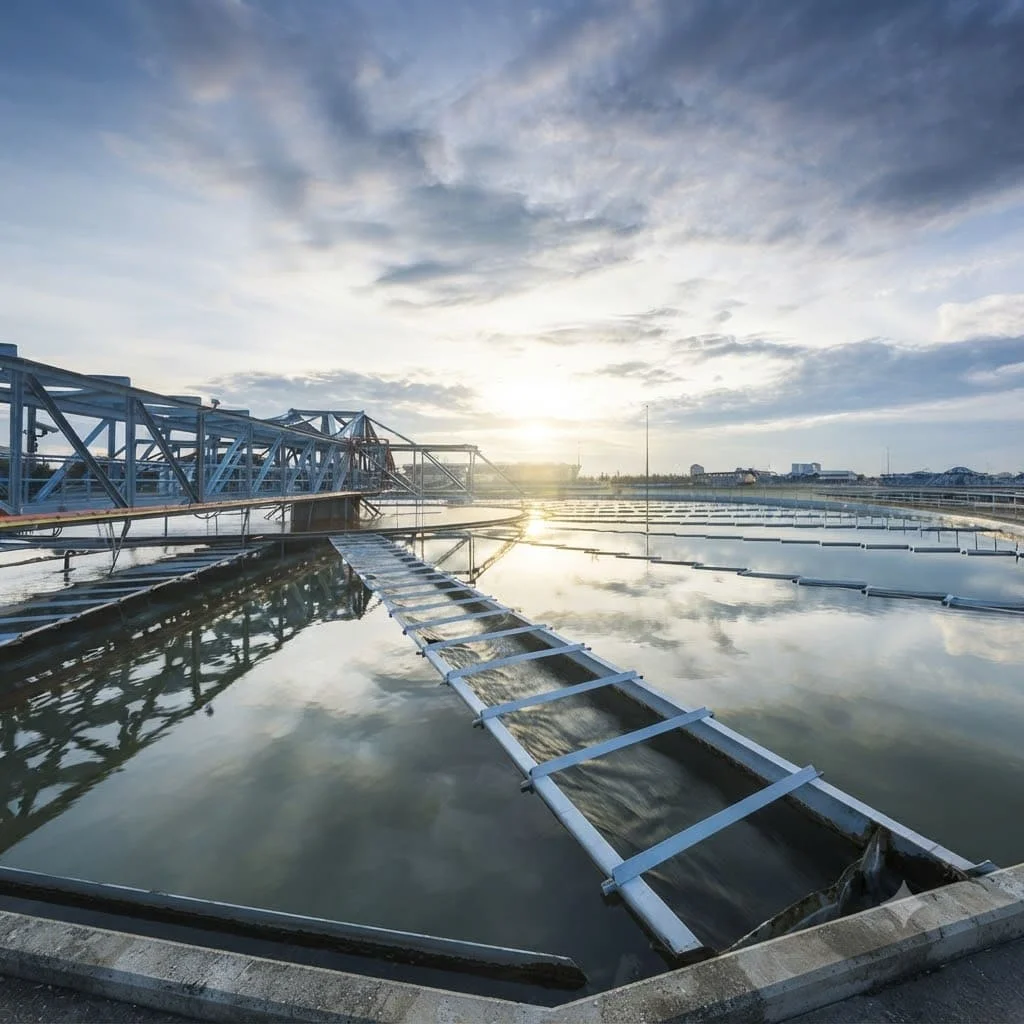


SHREE WATER TECH is a leading Effluent Treatment Plant Manufacturer, Supplier and Exporter based in Goa. An Effluent Treatment Plant (ETP) is an engineered wastewater treatment system designed to treat industrial effluent before its discharge, reuse, or further purification. Industrial wastewater can contain suspended solids, organic pollutants, oils, chemicals, dissolved substances, and other contaminants generated during manufacturing and processing activities.
The treatment approach depends on the industry, wastewater characteristics, flow rate, and required treated-water quality. Modern ETP systems can combine physical, chemical, biological, membrane-based, and advanced treatment technologies to achieve the desired results.
An effective Industrial Effluent Treatment Plant helps Goa-based and Maharashtra-wide industries manage wastewater responsibly, recover usable water, reduce pollutant loads, and support compliance with applicable discharge or reuse requirements. Learn more about us.
What is an Effluent Treatment Plant?
An Effluent Treatment Plant is a treatment facility used to remove or reduce contaminants from industrial wastewater. It converts untreated effluent into treated water that can be discharged or reused according to the applicable quality requirements.
Unlike a conventional domestic sewage treatment system, an ETP is generally designed around the specific pollutants produced by an industrial process. For example, a chemical industry may require chemical treatment, while a food-processing facility may require substantial biological treatment for biodegradable organic matter.
The final treatment configuration is therefore selected after evaluating the wastewater source, contaminant profile, flow characteristics, and intended use of the treated water.
Effluent Treatment Plant Process
As Effluent Treatment Plant Manufacturers, Suppliers and Exporters based in Goa, our ETP process is customized according to wastewater characteristics, but a typical treatment sequence includes the following stages:
1. Preliminary and Physical Treatment
Screens, strainers, oil separators, grit-removal systems, and equalization tanks can be used to remove or control physically separable contaminants and stabilize incoming flow.
2. Chemical Treatment
Chemical dosing systems may be used for pH correction, coagulation, flocculation, oxidation, or precipitation. These processes help remove specific dissolved or suspended contaminants that cannot be effectively separated through physical methods alone.
3. Biological Treatment
Biological treatment uses microorganisms to reduce biodegradable organic matter. Technologies such as Activated Sludge Process, MBBR, SBR, and MBR can be selected according to the wastewater load and treatment objectives.
4. Tertiary and Advanced Treatment
Tertiary treatment provides additional polishing after primary and biological treatment. Filtration, activated carbon, UF, RO, nanofiltration, UV, or other advanced processes may be incorporated when higher-quality treated water or water recovery is required.
Types of Effluent Treatment Plants
As leading Effluent Treatment Plant Manufacturers in Goa, our ETP types are designed to meet different application requirements and industry standards, including the following:
- Industrial Effluent Treatment Plant: An Industrial Effluent Treatment Plant is designed specifically for wastewater generated by manufacturing and processing industries. Its treatment stages are selected according to the industry's pollutant profile and production process.
- Chemical Effluent Treatment Plant: Chemical treatment systems are suitable for wastewater containing contaminants that require pH adjustment, coagulation, precipitation, oxidation, or other chemical processes for effective removal.
- Biological Effluent Treatment Plant: Biological ETP systems use microorganisms to reduce biodegradable organic pollutants. They are commonly considered when the wastewater has a significant biodegradable organic load.
- MBBR-Based ETP: Moving Bed Biofilm Reactor (MBBR) technology uses carrier media that provide a surface for microorganisms to grow. It can offer a compact biological treatment configuration and is suitable for wastewater requiring biological organic-load reduction.
- SBR-Based ETP: Sequencing Batch Reactor (SBR) performs biological treatment and settling in a controlled batch cycle. Its operating sequence can include filling, aeration, settling, decanting, and idle phases.
- MBR-Based ETP: Membrane Bioreactor (MBR) combines biological treatment with membrane separation. It can produce high-quality treated water and is useful where space is limited or stringent water-quality requirements apply.
- DAF-Based ETP: Dissolved Air Flotation (DAF) introduces fine air bubbles that attach to suspended particles, oils, and grease, causing them to float for removal. DAF is particularly useful for wastewater containing significant quantities of fats, oils, grease, or fine suspended solids.
- RO-Based Treatment System: Reverse Osmosis (RO) uses semi-permeable membranes to separate dissolved salts and other contaminants from water. It is commonly used as an advanced treatment or water-recovery stage.
- UF and Nanofiltration: Ultrafiltration (UF) is used primarily for removing suspended solids, colloids, and macromolecular contaminants. Nanofiltration (NF) provides finer membrane separation and can reduce selected dissolved components, depending on membrane characteristics.
- Zero Liquid Discharge System: A Zero Liquid Discharge (ZLD) system is an advanced water-management approach designed to minimize or eliminate liquid wastewater discharge. It can combine membrane concentration, evaporation, crystallization, and solids management to recover water and concentrate remaining dissolved constituents.
Major Components of an Effluent Treatment Plant
A typical ETP supplied by our Goa-based team may include:
- Effluent collection tank
- Screening system
- Equalization tank
- Transfer pumps
- Oil and grease separator
- pH correction system
- Chemical dosing system
- Flash mixer
- Flocculation tank
- Primary clarifier
- Biological treatment reactor
- Secondary clarifier
- Pressure Sand Filter
- Activated Carbon Filter
- UF / RO system, where required
- Disinfection system
- Treated-water tank
- Sludge collection system
- Sludge thickening or dewatering equipment
- Electrical control panel
- PLC and process instrumentation
The exact equipment arrangement varies according to the wastewater analysis and treatment objectives.
Technical Specifications of Effluent Treatment Plant
As a trusted Effluent Treatment Plant Supplier in Goa, we serve businesses across various industries that meet professional treatment requirements.
| Category | Technical Parameter | Specification | Unit | Typical Value / Range |
|---|---|---|---|---|
| Capacity | Treatment Capacity | 10–5,000 | KLD | Customized as per industry |
| Flow | Hydraulic Flow Rate | 0.5–250 | m³/hr | Based on plant capacity |
| DAF | Hydraulic Loading | 3–10 | m³/m²/hr | Application dependent |
| Biological | MLSS | 2,000–6,000 | mg/L | Process dependent |
| Biological | MLVSS/MLSS Ratio | 0.60–0.80 | Ratio | Typical biological range |
| Biological | Dissolved Oxygen | 1.5–3.0 | mg/L | Aerobic treatment |
| Biological | F/M Ratio | 0.10–0.30 | kg BOD/kg MLSS•day | Process dependent |
| Aeration | Aeration Tank HRT | 4–12 | Hours | Based on organic loading |
| Aeration | Air Requirement | 0.5–2.0 | m³/min per 100 KLD | Design dependent |
| Membrane | UF Membrane Pore Size | 0.01–0.1 | micron | For advanced filtration |
| Membrane | RO Recovery | 50–80 | % | Feed-water dependent |
| Disinfection | UV Dose | 20–40 | mJ/cm² | Where UV is used |
| Disinfection | Chlorine Residual | 0.5–2.0 | mg/L | Application dependent |
| Sludge | Sludge Production | 0.2–0.8 | kg/kg BOD removed | Process dependent |
| Sludge | Dewatering | Filter Press / Screw Press | — | Application dependent |
| Pumping | Pump Capacity | 1–250 | m³/hr | Based on hydraulic flow |
Features and Benefits of Effluent Treatment Plant
As Effluent Treatment Plant Exporters in Goa, our products provide several features and benefits including consistent quality, smooth finish, and long service life.
| Category | Feature | Benefit |
|---|---|---|
| Treatment | Multi-stage treatment configuration | Addresses different pollutant types |
| Process Control | pH and process monitoring | Supports stable operation |
| Biological Treatment | MBBR / SBR / MBR options | Provides technology flexibility |
| Solid Removal | Clarification / DAF | Reduces suspended and floatable matter |
| Filtration | PSF / ACF / UF | Improves treated-water quality |
| Water Recovery | RO / membrane systems | Supports water recycling |
| Advanced Treatment | ZLD configuration | Helps minimize liquid discharge |
| Automation | PLC-based control | Reduces manual intervention |
| Sludge Management | Dewatering systems | Simplifies solids handling |
| Customization | Application-specific design | Matches industrial wastewater characteristics |
Applications of Effluent Treatment Plant
As Effluent Treatment Plant Manufacturers in Goa, our ETP systems are used across various industrial sectors such as:
- Textile and Dyeing Industry: ETPs are widely used in textile processing and dyeing units to treat wastewater containing colour, suspended solids, chemicals, detergents, salts, and organic pollutants. Chemical treatment, biological treatment, filtration, and advanced processes can be integrated according to the effluent characteristics.
- Pharmaceutical Industry: Pharmaceutical manufacturing generates wastewater containing active compounds, solvents, chemicals, organic matter, and process residues. An ETP helps provide controlled treatment before the treated effluent is discharged or sent for further treatment and reuse.
- Food and Beverage Industry: Food-processing plants, dairies, breweries, beverage units, and packaged-food industries generate wastewater with relatively high BOD, COD, suspended solids, fats, oils, and grease. ETP systems help reduce the organic and solid load through biological and physical treatment processes.
- Chemical Industry: Chemical manufacturing facilities can generate complex effluent containing acids, alkalis, dissolved chemicals, heavy metals, and high-strength organic compounds. Customized ETPs may incorporate neutralization, coagulation, precipitation, biological treatment, filtration, and membrane processes.
- Sugar Industry: Sugar factories and related processing facilities produce wastewater containing high organic loads, suspended solids, and process residues. ETP systems are used to reduce pollutant concentrations and prepare treated water for compliant discharge or potential reuse.
- Paper and Pulp Industry: Paper and pulp manufacturing produces wastewater containing fibres, suspended solids, colour, organic matter, and process chemicals. ETPs combine solids separation, biological treatment, clarification, and tertiary filtration to improve effluent quality.
- Dairy Industry: Dairy-processing wastewater generally contains milk solids, fats, proteins, detergents, and biodegradable organic matter. Effluent treatment systems are designed to manage fluctuating organic loads and produce treated water suitable for the intended discharge or reuse application.
- Automobile and Engineering Industry: Automobile, metalworking, and engineering industries may generate wastewater containing oil, grease, metal particles, suspended solids, coolants, and cleaning chemicals. Oil separation, chemical treatment, filtration, and other processes can be incorporated into the ETP.
- Tanneries and Leather Industry: Leather-processing wastewater can contain high organic loads, suspended solids, sulphides, chromium, salts, and other process chemicals. Specialized treatment systems are designed to address these pollutants before final discharge or further treatment.
- Distillery Industry: Distilleries can generate high-strength wastewater with significant COD, BOD, colour, dissolved solids, and organic compounds. Depending on the process, ETP and advanced treatment technologies can be combined for wastewater treatment and water recovery.
Effluent Treatment Plant Capacity
ETP capacity is generally specified according to wastewater flow and is commonly expressed in KLD (Kilo Litres per Day) or other flow units.
Capacity selection should account for:
- Average wastewater generation
- Peak flow
- Production schedules
- Operating hours
- Wastewater storage requirements
- Future production expansion
- Required treatment and recovery rates
The plant should be sized using actual wastewater-generation data rather than relying only on the nominal production capacity of the industrial facility.
Factors to Consider When Selecting an ETP
Selecting an appropriate Effluent Treatment System requires a detailed assessment of the wastewater.
Important factors include pH, BOD, COD, TSS, TDS, oil and grease, heavy metals, colour, temperature, chemical composition, toxicity, and biodegradability.
Other considerations include daily flow, peak flow, available space, treatment objectives, water-reuse requirements, sludge characteristics, automation level, energy consumption, chemical requirements, and future expansion.
A representative wastewater analysis should be completed before finalizing the treatment process.
Effluent Treatment Plant Cost
The cost of an ETP depends on the wastewater characteristics, flow requirement, selected treatment technologies, construction materials, automation, filtration requirements, water-recovery objectives, and installation scope.
A basic physical and chemical treatment system generally has a different cost structure from an advanced plant incorporating biological treatment, membranes, RO, or ZLD.
Total project investment may include tanks, pumps, blowers, clarifiers, DAF units, filters, membranes, dosing systems, electrical controls, instrumentation, piping, sludge equipment, civil work, installation, and commissioning.
Long-term operating costs should also be evaluated because electricity, chemicals, membrane replacement, filter media, sludge disposal, and maintenance contribute significantly to the overall cost of wastewater management.
ETP Installation & Maintenance
ETP installation begins with site evaluation, process-layout planning, equipment positioning, and preparation of civil foundations where required.
The treatment equipment is then connected through process piping, pumps, valves, electrical systems, control panels, and instrumentation. After mechanical and electrical checks, the plant is commissioned under controlled operating conditions.
Regular maintenance includes checking pumps and blowers, cleaning screens, inspecting dosing equipment, monitoring filter pressure, maintaining membranes, checking sludge-handling equipment, calibrating instruments, and testing treated-water quality.
Preventive maintenance helps reduce unexpected downtime and supports consistent plant performance.
Why Choose Us?
As high-quality Effluent Treatment Plant Manufacturers, Suppliers and Exporters based in Goa, we stand out by delivering premium solutions. Here's why:
- Customized ETP Solutions: We design Effluent Treatment Plants according to wastewater characteristics, flow requirements, treatment objectives, site conditions, and water-reuse needs. Each system is configured to provide an appropriate and efficient treatment solution for the specific industry.
- Advanced Treatment Technologies: Our ETP systems can integrate physical, chemical, biological, membrane, and advanced treatment technologies based on the application. Suitable processes such as MBBR, SBR, MBR, UF, RO, and tertiary treatment can be incorporated where required.
- Industry-Specific Design: Different industries generate wastewater with different pollutant loads and chemical characteristics. Our systems are engineered according to parameters such as BOD, COD, TSS, pH, oil & grease, and chemical loading.
- Complete Project Support: We provide support from process selection and plant design to manufacturing, installation, commissioning, and automation. Technical assistance and maintenance support are also available to help ensure reliable plant operation.
- Water Recycling & Reuse: Our treatment systems can be integrated with advanced filtration and membrane technologies for water recycling and recovery. The treated water can be further processed for suitable industrial and non-potable reuse applications.
Choose Shree Water Tech, a well-known Effluent Treatment Plant Manufacturer, Supplier and Exporter based in Goa. We provide reliable Effluent Treatment Plant solutions designed to support efficient wastewater treatment, water recovery, and environmental sustainability. With advanced technology, quality engineering, and customized Water Treatment Solutions, we help industries across Goa and the wider region achieve effective wastewater management while ensuring cost efficiency, compliance, and long-term operational performance. Get in touch with us for additional details.
FAQ's
An Effluent Treatment Plant is an industrial wastewater treatment system designed to remove or reduce contaminants from effluent before discharge, reuse, or further treatment.
A typical ETP process may include preliminary treatment, physical separation, chemical treatment, biological treatment, clarification, tertiary filtration, advanced purification, and disinfection, depending on the wastewater characteristics.
An STP is primarily designed to treat domestic sewage, while an ETP is designed to treat industrial effluent containing pollutants associated with specific manufacturing or processing activities.
The four broad stages can be described as preliminary/physical treatment, primary treatment, secondary biological treatment, and tertiary or advanced treatment. The actual configuration varies according to wastewater characteristics and required treated-water quality.
Biological treatment is used to reduce biodegradable organic matter through controlled microbial activity.